Calm Under Pressure: How BJJ Teaches Adults to Problem-Solve
Most adults who walk into a Brazilian Jiu-Jitsu academy for the first time expect a workout. They usually get one. What surprises many of them is how much thinking is involved.
Jiu-Jitsu is often called "physical chess," and the description fits. Every position is a problem. Every problem has more than one answer. And you have to find those answers while someone is leaning on you.
For busy professionals and parents in Annapolis, that combination turns out to be one of the best training grounds for staying calm and thinking clearly under pressure. Here is why.
Every Round Is a Puzzle
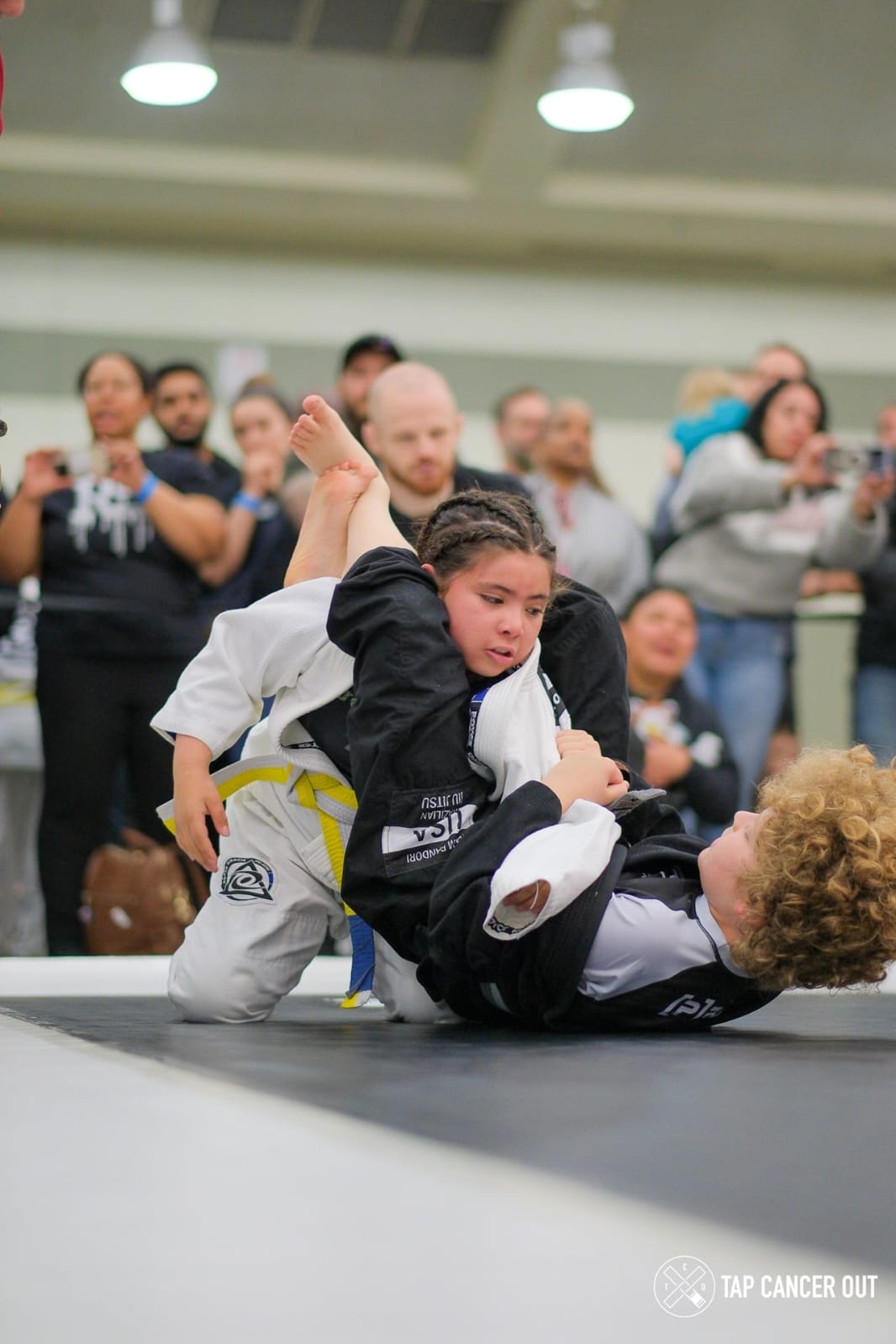
In a typical class, after warming up and drilling a technique, students practice live rounds with a partner. Both people are working, at a controlled pace, toward better positions.
That means you are constantly asking yourself a few questions:
- Where am I right now?
- What is my partner trying to do?
- What is the safest next step?
- What is my plan if that step doesn't work?
Those are the same questions good problem-solvers ask at work. The difference is that on the mat, you get immediate, honest feedback. If your plan doesn't work, you feel it right away.
Pressure Without Real Danger
Most of us face pressure every day, but it rarely comes with a safe place to practice handling it. A tight deadline, a difficult client, a tense conversation at home: these don't come with a reset button.
Jiu-Jitsu does.
A controlled kind of discomfort
When you are pinned under a partner in a heavy position, your body wants to panic. Your breathing speeds up. Your muscles tense. You want to explode out of it. Beginners often do exactly that, and they burn out in under a minute.
Over time, you learn a better response. You slow your breathing. You protect yourself. You look for one small improvement instead of one big escape. You stay patient until an opening appears.
The tap as a safety net
Because students can tap at any time to stop the round, the pressure is real but the danger is managed. That combination is what makes it such good practice. You get to rehearse staying composed under stress, again and again, in an environment designed to keep you safe.
Breaking Big Problems Into Small Steps
One of the first things we teach adult beginners is that you rarely escape a bad position in one move. You escape it in steps.
First, you protect your neck and arms. Then you create a little space. Then you use that space to turn your hips. Then you recover your guard or come up to your knees. Each step is small. Together, they solve the problem.
That is a useful mindset far beyond the mat. When a project at work feels overwhelming, or a family situation feels impossible, the same approach applies: protect what matters, create a little room, and take the next small step.
Learning to Think, Not Just React
Reaction versus response
New students tend to react. They feel a grip and pull away. They feel weight and push straight up. Those reactions are natural, and they often make things worse.
With practice, students start to respond instead. They recognize the situation, remember what they drilled, and choose a technique on purpose. That gap between feeling pressure and choosing an action is where good decisions live.
Pattern recognition
The more you train, the more you recognize patterns. You start to notice that certain grips usually lead to certain attacks. You begin to see a problem forming before it fully arrives. Experienced students often look relaxed because they are seeing a few steps ahead.
That same skill, spotting a problem early and adjusting before it grows, is valuable in every career I can think of.
Humility Is Part of the Process
Here is something adults should know going in: you will be caught a lot when you start. Everyone is. That is not a sign you don't belong. It is how everyone learns.
For high-achieving adults, that can be humbling. Many professionals are used to being the expert in the room. On the mat, they are white belts learning from scratch, often from training partners who are younger, smaller, or in a completely different line of work.
That experience is good for us. It reminds us how to be a beginner. It teaches us to ask questions, accept feedback, and stay patient with our own progress. Those habits make us better leaders, better coworkers, and better parents.
Stress Relief That Requires Your Full Attention
Plenty of exercise lets your mind wander. You can run on a treadmill and still think about your inbox the whole time.
Jiu-Jitsu is different. When you are working through a live round, you can't think about the meeting tomorrow. Your attention has to be here, on your breathing, your grips, and your partner. For an hour, the rest of the day gets quiet.
Many adults find that kind of full focus is its own form of rest. You leave tired in body but clearer in mind.
What Adult Beginner Classes Look Like at Team Randori
Our Adult Beginner classes meet on Tuesday and Thursday evenings, which works well for people with full work schedules. You don't need to be in shape, flexible, or experienced to start. You just need to show up.
A typical class includes:
- A warm-up that prepares your body for movement on the mat.
- Fundamental techniques taught step by step, with time to drill them with a partner.
- Positional practice where you work on one specific problem, like escaping a pin.
- Controlled live rounds when you're ready, at a pace that fits your experience.
Coaches watch closely and adjust the intensity for new students. The goal is to build skill and confidence steadily, not to test you on day one.
A Few Tips for Your First Month
Focus on one thing per class
You will be shown a lot of information. Pick one detail to remember each class. Small wins add up quickly.
Breathe on purpose
When things get uncomfortable, slow your exhale. It sounds simple, and it changes everything.
Tap early
There is no prize for holding on too long. Tap, reset, and learn from it.
Be consistent, not intense
Two classes a week, every week, will take you further than an all-out burst followed by a long break.
Steady Strength for Real Life
The best problem-solvers I know aren't the loudest or the most aggressive. They are steady. They stay calm, see the situation clearly, and take the next right step. That steady strength is something you can build, one round at a time, and it carries into every part of your life.
A wall sign in our academy puts it plainly: "Remember that guy that gave up? Neither does anyone else." Starting something new as an adult takes courage. Sticking with it is where the growth happens.
Start Your 30 Day Trial Membership
If you've been curious about Brazilian Jiu-Jitsu in Annapolis and want a challenge that works your body and your mind, our 30 Day Trial Membership is the place to begin. You'll get a full month to train in our Adult Beginner program, and you'll receive a free BJJ uniform the day you start.
Book your 30 Day Trial Membership here.
See you on the mat,
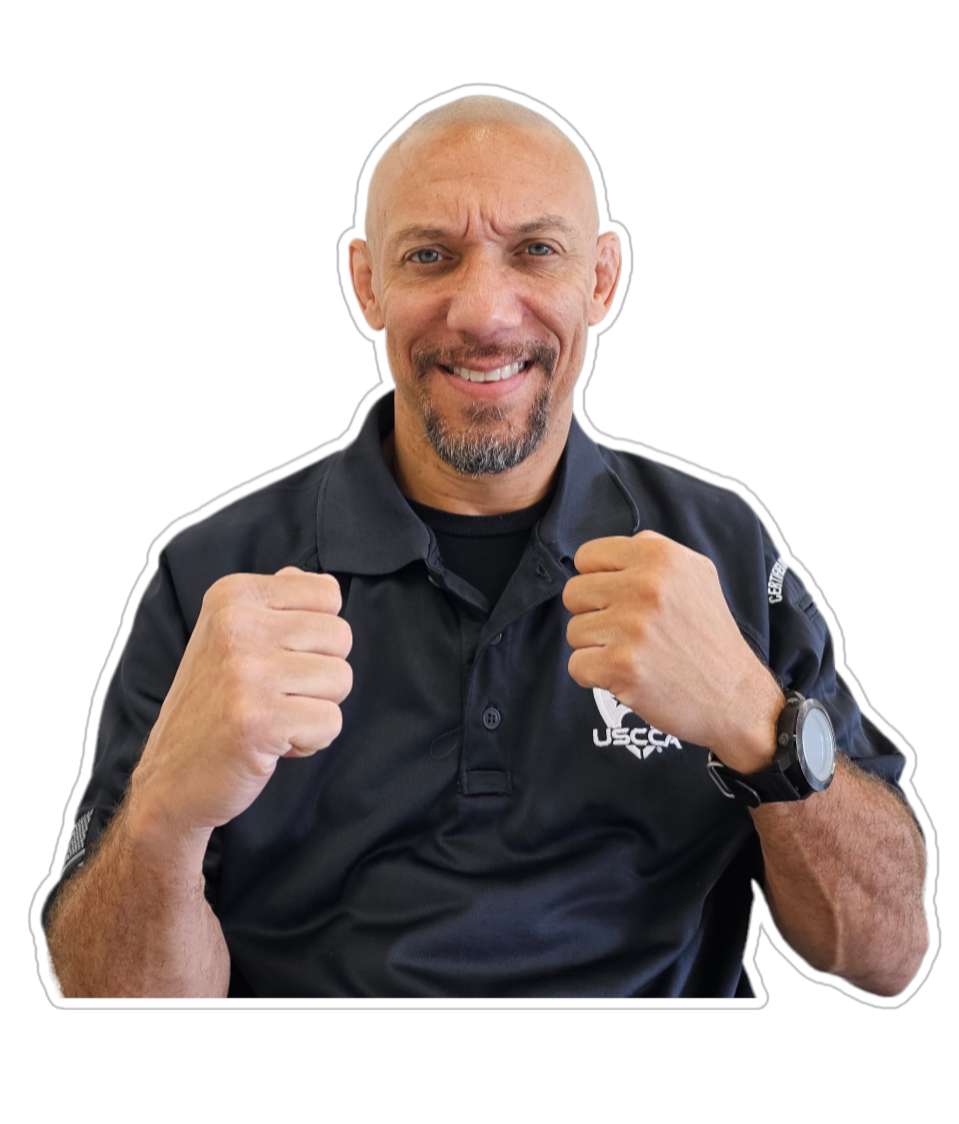
Coach Al
Team Randori Martial Arts, Annapolis